Mumbai's two opposing lifestyles would have made it the ideal example of an oxymoron if the city were a word. Mumbai, the richest city in India with the most millionaires and billionaires, but has the greatest slum population in the nation with 5.2 million residents (as per Census 2011). Over 3000 residential high-rises dominate the city's skyline, but over half of its 12.44 million residents still live in cramped shanties without access to even the most basic amenities like toilets. Mumbai has had trouble absorbing mass migration in part due to its unusual terrain and lack of available land, but more so because of a lack of basic amenities and overpriced housing for economically disadvantaged people.
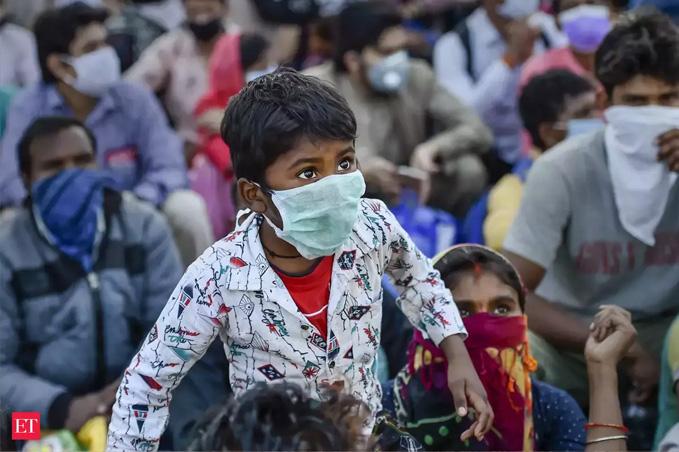
Around 1 million slums in Mumbai are characterised by unclean, dismal, and congested circumstances that pose a serious threat to the health of their residents due to inadequate access to municipal utilities. The main causes of illnesses including diarrhoea, scabies, worm infestation, dysentery, malaria, typhoid, dengue, and skin infections that are common in these slums and squatter communities include open defecation, a bad drainage system, and contaminated drinking water. The majority of slum dwellers struggle to make ends meet and are forced to work as daily wage labourers, housemaids, and Naka workers (informal labourers chosen by contractors).