Reaching out to the Underprivileged of Mumbai through Healthcare
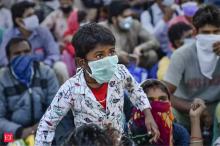
Mumbai's two opposing lifestyles would have made it the ideal example of an oxymoron if the city were a word. Mumbai, the richest city in India with the most millionaires and billionaires, but has the greatest slum population in the nation with 5.2 million residents (as per Census 2011). Over 3000 residential high-rises dominate the city's skyline, but over half of its 12.44 million residents still live in cramped shanties without access to even the most basic amenities like toilets. Mumbai has had trouble absorbing mass migration in part due to its unusual terrain and lack of available land, but more so because of a lack of basic amenities and overpriced housing for economically disadvantaged people.
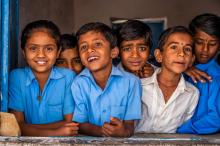
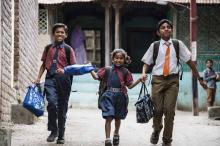
Organisations for children's rights were established in mission schools

Six settlements have established children's rights-focused NGOs. To include the entire community in understanding children's rights, organisations have been created at the settlement level. The organisation also tries to educate kids about their legal rights. The project team would first meet with the groups on a daily basis to educate them about children's rights and provide them the chance to interact with essential stakeholders, duty bearers, and most importantly, other kids. Depending on how many children live in IDP camps, the members of the children group will differ.

First Aid instruction for schoolchildren was provided in three schools.

Students from three schools in Jammu participated in first aid training programmes. Playtime and recess can result in accidents at school, so the kids were taught how to utilise first aid supplies in an emergency. The kids were taught how to use bandages, disinfectants, and check for injuries, among other things. The workshop was quite educational for the kids, and they asked that additional sessions of all sorts be held for their benefit.
Tags